Operational carbon footprint
We aim to reduce our environmental impact by minimizing the carbon footprint of our operation. There are three ways to achieve this:
-
Reduce carbon emission
-
Use sustainable sources or solutions
-
Offset carbon emission
Reduce carbon emission
Several measures to reduce Transtrend’s environmental footprint have been in place for many years. These include using LED lights and motion sensors in our office and facilitating video conferencing as an alternative to business travel. Many employees commute to work by public transport, bicycle, or on foot. Obsolete computers are donated to schools or other civic organizations when possible. We use reusable modular wall systems, cupboards, and furniture in the office layout, and we separate paper, cardboard, glass, and cans from other trash. In recent years, we have relocated our (back-up) servers to external data centers, increasing our power efficiency.
Due to the vast amount of data we have to process daily to implement our trading strategy, we focus on power efficiency and sustainable energy sources rather than solely reducing our energy consumption. Business travel will likely remain a primary source of our carbon emissions in the coming years, as our business relationships are primarily outside the Netherlands. Physical meetings remain essential for maintaining long-term relationships with our clients, service providers, and other business partners, ultimately ensuring the quality of our services.
Use sustainable sources or solutions
Our Rotterdam office is powered by green electricity. Energy used by our data centers and allocated by our lessor for shared building facilities is qualified as ‘grey’, based on common practice in the Netherlands to qualify European wind energy as such. For 2023 and 2024, we have bought Energy Attribute Certificates (‘Garanties van Oorsprong’) to convert this into green electricity. Additionally, in 2024, we replaced our company gasoline cars with electric cars.
Offset carbon emission
Since 2018, we have offset our indirect carbon emissions from air travel. As of 2021, we also offset the carbon footprint from various other sources related to our operations: company cars, electricity, water, paper, heating, and office waste. In 2021, we added the estimated carbon footprint of electricity used by our employees during work-from-home days. As of 2022, we include the carbon footprint of commuting and energy allocated to us for shared building facilities.
We participate in certified carbon offset projects to offset our carbon emissions. For 2023, we participated in a Dutch, VCS certified biogas project. We will continue to monitor the debate on the effectiveness of carbon offsetting initiatives to enhance our offsetting program where possible.
Further reduction of our carbon footprint remains on the agenda of a dedicated working group, ‘Sustainable Transtrend’, as new ideas or possibilities may develop, or existing ideas may become worthwhile to implement.
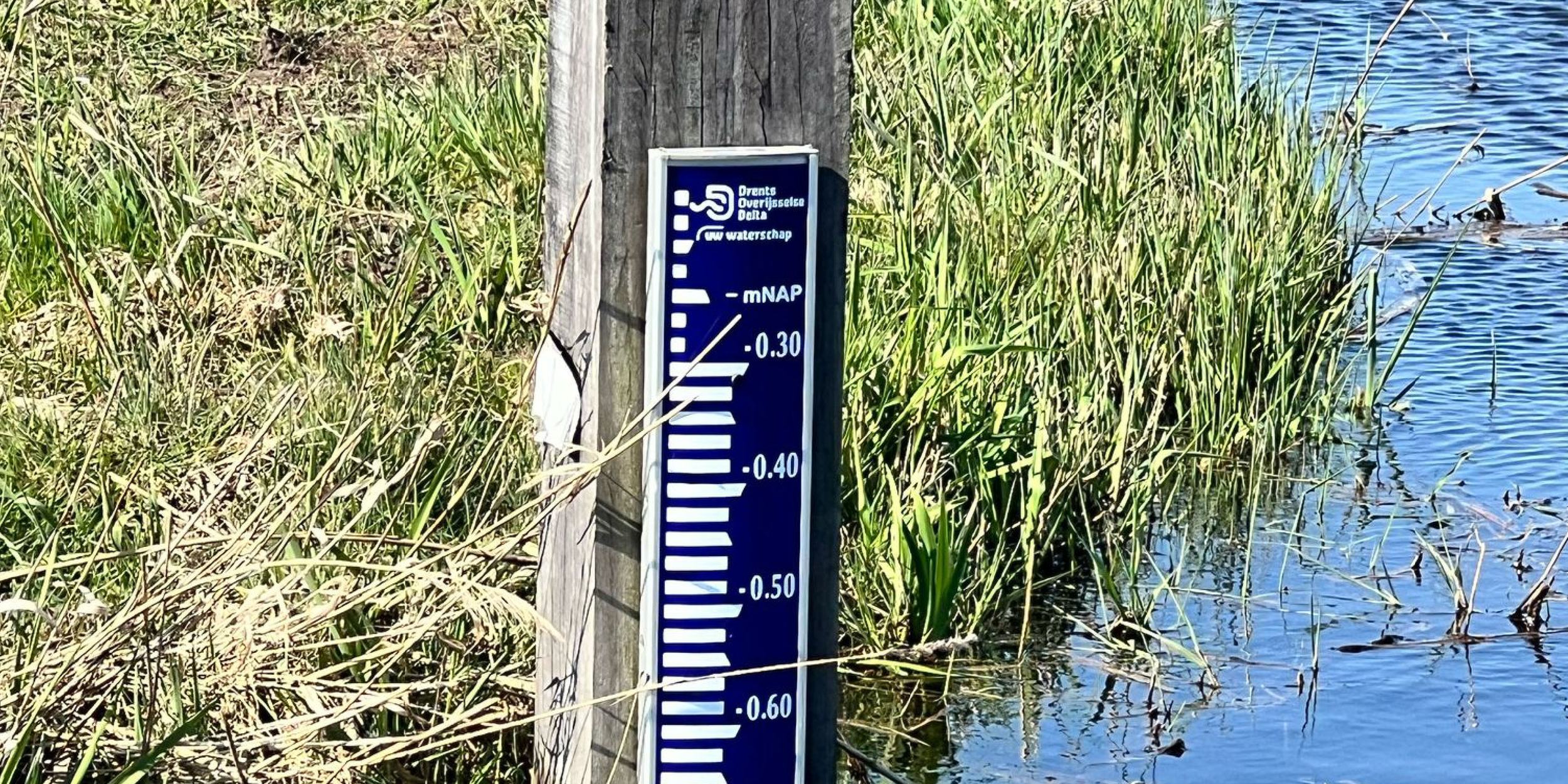
'Valuta voor Veen'
To compensate for our measured 2024 carbon footprint, we supported Natuurmonumenten’s ‘Valuta voor Veen’ project. By raising water levels in Dutch peatlands, the project aims to prevent peat oxidation and reduce related carbon emissions in the coming years.
Portfolio carbon footprint
There is ongoing debate about whether derivatives such as futures contracts should be included in the carbon footprint of investment portfolios. More specifically, the question is whether the carbon footprint of an underlying asset should be duplicated in — or perhaps even transferred to — the carbon footprint of a position in a derivative on that underlying. In our view, it should not. If the purpose of the exercise is to help reduce carbon emissions to put a brake on further global warming, positions in derivatives should not be included in the calculation of the carbon footprint of investment portfolios.
Preserving the link between responsibility and control is our main argument. The only parties that can reduce the carbon footprint of a firm are those that control that firm, including the shareholders entitled to attend shareholder meetings. The more this responsibility is shared with others — or, even worse, transferred to others — the less likely it is that appropriate measures will be taken.
For this reason, and given that we trade markets exclusively through derivative contracts, we consider the carbon footprint of our Diversified Trend Program to be zero.
Get in touch with us
Tolenaar

Lemsom
Honig